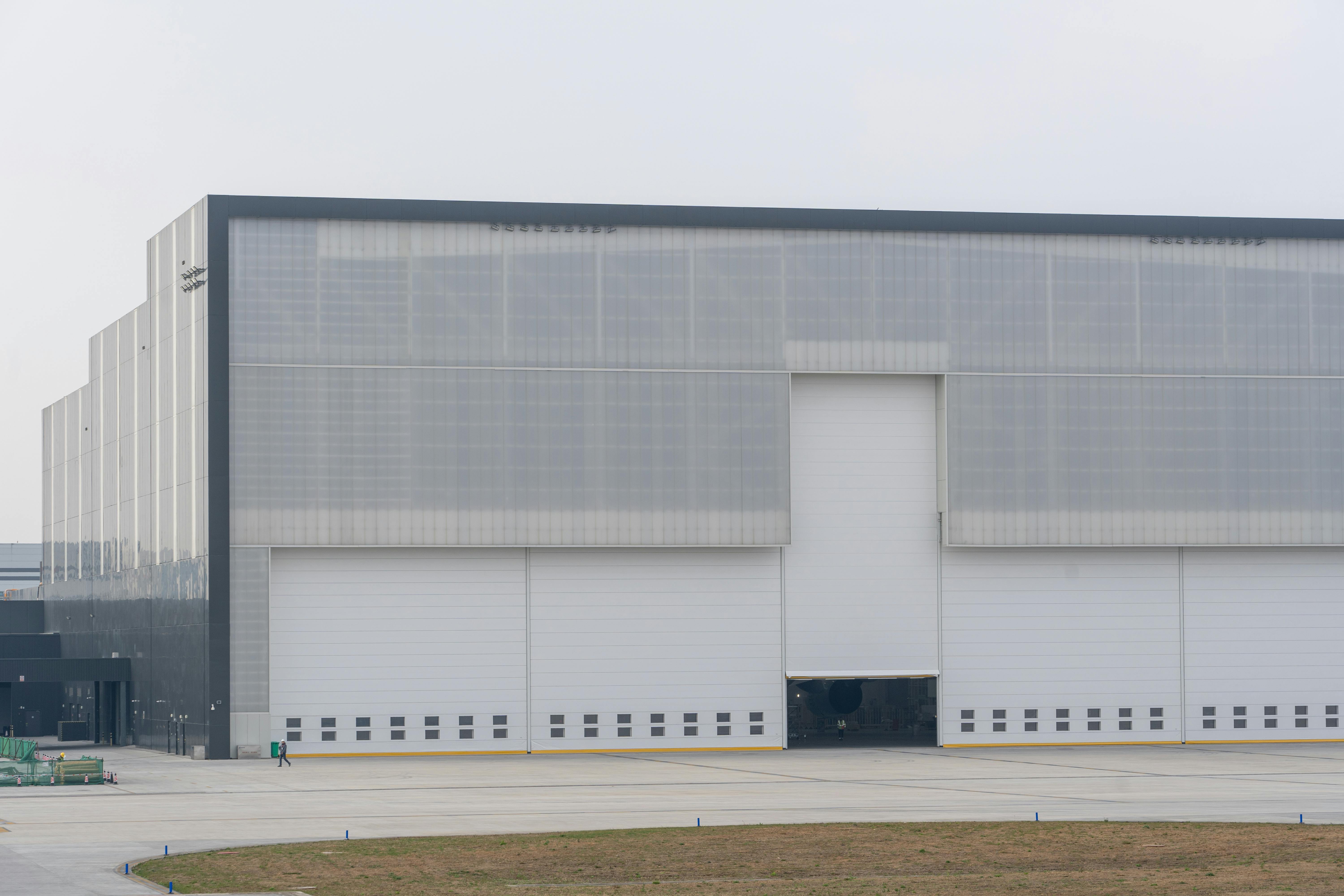
Commercial property coverage can help protect buildings, improvements, business personal property, equipment, and income-related exposures after a covered loss. We help structure property coverage around the way a business actually uses its space and assets.
Please contact our office if you would like help reviewing options, limits, or carrier availability for this coverage.
Commercial Property FAQ
What does commercial property insurance cover?
Commercial property insurance covers your commercial property and its contents, including
buildings, equipment, inventory, and other business assets. It covers loss or damage caused by
events such as fire, vandalism, and natural disasters. Some policies also provide coverage for
loss of income if your business is unable to operate due to property damage, and some may offer
additional coverage for cyber-attacks and terrorism.
What is NOT covered?
(Common Exclusions)
Most policies exclude damages from floods, earth movement, war, nuclear disaster, wear and tear,
and insects or vermin. Key exclusions include:
• Flood & Earthquake: Flood damage is almost universally excluded. Earthquake damage is
also not covered unless you have a specific endorsement or separate policy. Businesses in flood
or seismic zones should purchase additional coverage through programs like the National Flood
Insurance Program (NFIP).
• Wear & Tear: Does not cover damage caused by normal deterioration over time, such as
the gradual breakdown of equipment, carpets, or paint.
• Vacant Properties: If your property is vacant for an extended period (usually 60 days or
more), coverage may be severely limited or voided entirely.
• Ordinance/Code Upgrades: Most policies will not cover upgrades required to bring your
building up to current building codes after a loss. You can add “ordinance or law insurance” to fill
this gap.
• Pollution: Environmental damage caused by spills, leaks, or contamination from hazardous
substances is typically excluded.
• Vehicles: Commercial property insurance does not usually cover company-owned or
rented/leased vehicles. Separate commercial auto insurance is needed.
What is Replacement Cost vs. Actual Cash Value?
There are three common choices for property valuation:
• Replacement Cost (RC): Pays to repair or replace your property at current market costs,
without depreciation. This is the recommended option for full protection.
• Actual Cash Value (ACV): Pays the depreciated value of the property at the time of loss.
You receive less for older property.
• Functional Replacement Cost: A middle ground, replacing damaged property with
materials that perform the same function but may not be identical.
What is the “Special Form” (All-Risk) Policy?
The Special Form is often referred to as an “all-risk” policy — it covers all direct physical damage
unless specifically excluded. This gives you a significant advantage: instead of a list of covered
events, you have a list of exclusions. Critically, the Special Form shifts the burden of proof to the
insurance company to deny a claim. Compare this to Basic or Broad forms, where you must prove
your loss was one of the listed covered perils.
How much should I insure my building for?
The correct coverage amount varies based on type of building, construction costs, location, and
other factors. Best practice is to work with your agent. For example, if a $1,000,000 property is
purchased and the majority of value is in the land, you may not need to insure the building for the
full $1,000,000. Always ensure the building is insured to avoid coinsurance penalties.
Is Inland Marine the Same as Commercial Property?
No. Inland Marine covers property in transit or at multiple locations, while Commercial Property
typically covers property at a fixed, listed location. Contractors and other businesses that move
equipment frequently may need an Inland Marine schedule to avoid coverage gaps.
What is a BOP (Business Owner’s Policy)?
A BOP bundles general liability and commercial property insurance into one affordable package. It
is ideal for small to mid-sized businesses and may include optional add-ons like business
interruption or cyber coverage. A BOP is often a cost-effective starting point for most small
businesses.
Does Commercial Property Insurance Cover Property in Transit?
Commercial property insurance typically only protects property at the business location listed on
your policy. If you need to protect property while it is in transit, consider adding Inland Marine
insurance coverages such as motor truck cargo or equipment floaters.
What About Home-Based Businesses?
Most home-based businesses need Business Personal Property (BPP) coverage, which covers
business property at home. A standard homeowners policy will not cover business-related claims.
BPP coverage is automatically included as part of a commercial property insurance policy for
businesses operating at a location other than the owner’s residence.
How Do I File a Claim?
To file a claim:
• Notify your agent or broker immediately, or call your carrier’s toll-free claims number.
• Within 24 hours, an adjuster should contact you to walk through the claims process.
• Protect the property from further damage (e.g., board up after a fire or break-in).
• Cooperate fully with the insurer and only provide statements to your own insurer unless your
adjuster approves other contacts.
How Often Should I Review My Policy?
You should review and update your commercial property insurance policy at least once a year,
typically at renewal. Depending on your industry, you may want to evaluate your coverage
quarterly. Your insurer, agent, or broker will typically reach out to you directly at renewal time.
Major business changes — new equipment, renovations, or expansion — should trigger an
immediate review.
This FAQ is for informational purposes only and does not constitute legal or insurance advice. Coverage terms, exclusions, and availability vary by insurer and state. Consult a licensed insurance professional at The Firebird Agency for guidance specific to your situation.
While our offices are located in Arizona and California, we are licensed all over the country.