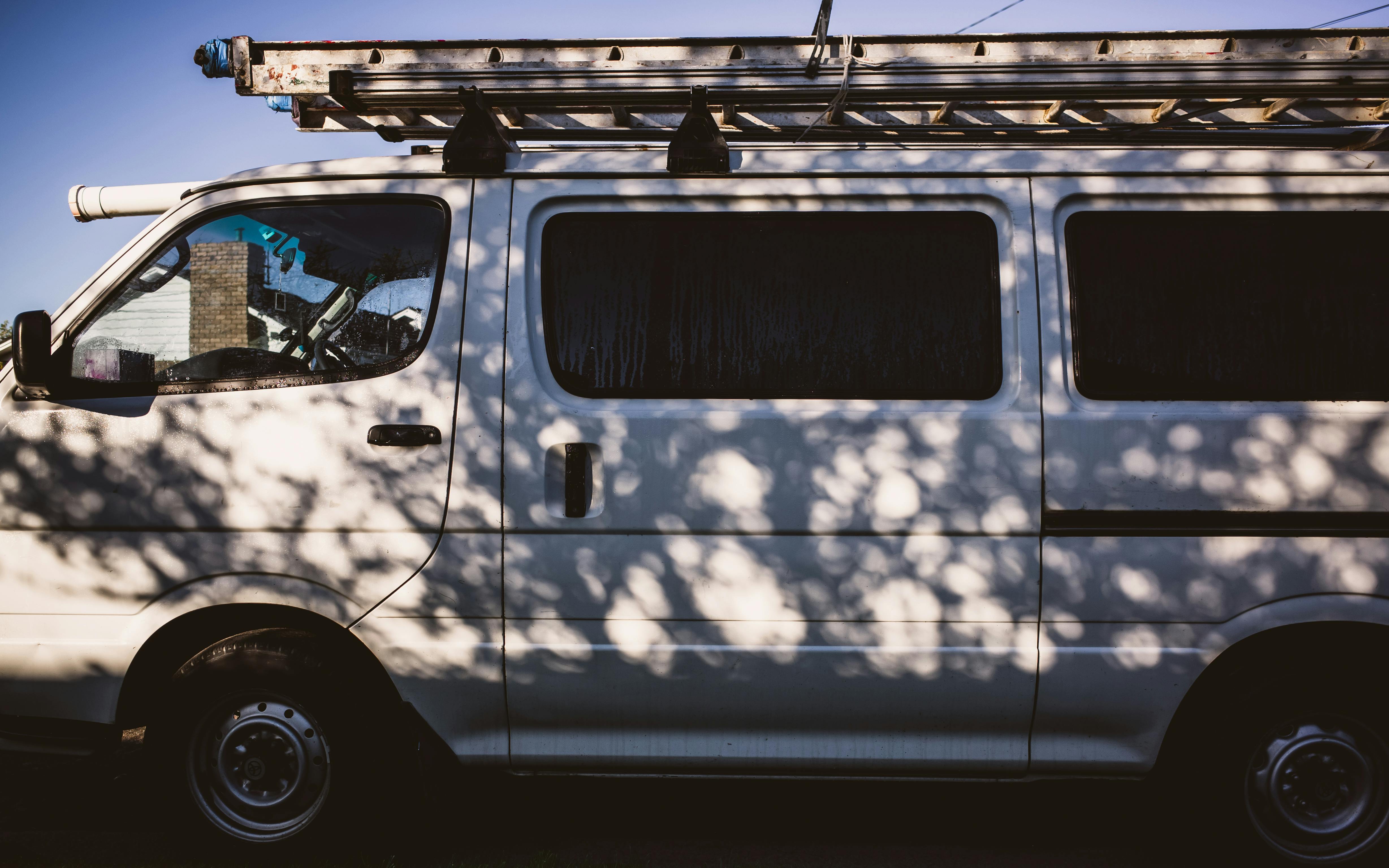
Commercial auto coverage helps protect vehicles used in business operations, along with liability and physical damage exposures tied to those vehicles. We can review fleets, hired and non-owned exposures, and the coverage structure that best fits your operations.
Please contact our office if you would like help reviewing options, limits, or carrier availability for this coverage.
Commercial Auto FAQ
What is commercial auto insurance?
Commercial auto insurance is a business insurance policy that provides liability and physical
damage coverage for vehicles used for business purposes. Unlike personal auto insurance, it is
specifically designed to protect company-owned cars, trucks, vans, and other vehicles when
driven for work. It can cover costs such as medical bills, property damage repairs, and legal
expenses if your business vehicle is involved in an accident. It may also protect against theft,
vandalism, fire, and severe weather damage, depending on the coverages included in your policy.
Do I need commercial auto insurance?
If your business owns or operates vehicles — or if your employees drive vehicles for work
purposes — you most likely need commercial auto insurance. This includes businesses that make
deliveries, transport clients, haul equipment, or simply use a vehicle to travel between job sites.
Commercial auto insurance is required by law for business-owned vehicles in every state except
New Hampshire and Virginia (though even there, you can still be held financially liable for
accidents). Personal auto insurance policies do not cover business use, so relying on a personal
policy for business driving could leave you exposed.
What is the difference between personal and commercial auto insurance?
Personal auto insurance covers vehicles used primarily for personal, everyday driving —
commuting, running errands, family trips, etc. Commercial auto insurance covers vehicles used for
business purposes. The key differences are: (1) Commercial policies typically offer higher liability
limits because business accidents can expose a company to larger financial claims; (2)
Commercial policies can cover multiple drivers and vehicles under one policy; (3) Commercial
insurance can cover specialized equipment and business cargo in certain situations; (4) Personal
policies will often deny claims if the vehicle was being used for business at the time of the
accident.
What does commercial auto insurance cover?
A standard commercial auto insurance policy can include several types of coverage:
• Liability Coverage: Pays for injuries and property damage you cause to others in an at-fault
accident, including legal defense costs.
• Collision Coverage: Pays to repair or replace your vehicle after a collision, regardless of fault.
• Comprehensive Coverage: Covers non-collision damage such as theft, vandalism, fire, hail, and
flooding.
• Medical Payments (MedPay) / Personal Injury Protection (PIP): Pays medical costs for you and
your passengers after an accident, regardless of fault.
• Uninsured/Underinsured Motorist Coverage: Protects you if you're hit by a driver who has little or
no insurance.
• Hired & Non-Owned Auto (HNOA): Covers vehicles your business uses but doesn't own, such as
employee personal vehicles or rentals used for work.
What is NOT covered by commercial auto insurance?
While commercial auto insurance provides broad protection, there are important exclusions to be
aware of:
• Tools, equipment, and business property inside the vehicle (covered instead by a Business
Owner's Policy or Inland Marine policy)
• Vehicles used primarily for personal use by employees
• Off-road vehicles and heavy machinery not used on public roads
• Intentional damage or criminal acts
• Accidents caused by an unlisted or unauthorized driver (depending on policy terms)
• Pollution or environmental damage in most standard policies
Always review your policy carefully and speak with your agent to understand any gaps in
coverage.
How much does commercial auto insurance cost?
The cost of commercial auto insurance varies widely depending on your business type, vehicle
type, number of vehicles, employee driving records, coverage limits, and location. On average,
small businesses pay approximately $147 per month (around $1,762 per year) for commercial
auto insurance. However, costs can range significantly:
• Small consultant/commuter vehicles: $600–$1,500 per vehicle/year
• Contractors and tradespeople: Around $272/month on average
• Delivery and service vehicles: $1,800–$2,500+ per vehicle/year
• For-hire transport trucks: $900–$954/month on average
Factors that increase your premium include a poor driving history, high-value vehicles, operating
in densely populated areas, and higher coverage limits.
What factors affect my commercial auto insurance premium?
Insurance carriers consider several factors when calculating your rate:
• Type of vehicle: Larger, heavier, or more valuable vehicles cost more to insure.
• Vehicle use: Vehicles used for deliveries or transporting people face higher risk and higher
premiums.
• Number of vehicles: More vehicles generally mean higher total premiums, though fleet discounts
may apply.
• Driver history: Accidents, traffic violations, or DUIs on employee records will raise your rates.
• Coverage limits and deductibles: Higher limits mean higher premiums; higher deductibles can
lower them.
• Business location: Operating in urban areas with heavy traffic increases risk.
• Industry: High-risk industries like trucking or courier services pay more than low-risk industries
like real estate.
• Annual mileage: More miles driven equals more exposure to risk.
Who is covered under my commercial auto policy?
Typically, a commercial auto policy covers you (the business owner), your employees, and any
other individuals listed on the policy when driving a covered business vehicle with permission.
Some policies may also extend coverage to temporary workers or volunteers. However, it's
important to list all regular drivers on your policy. If an unlisted driver causes an accident,
coverage may be limited or denied. Employees who drive their personal vehicles for business
purposes are generally NOT covered under a standard commercial auto policy — you would need
Hired and Non-Owned Auto (HNOA) insurance for that scenario.
Does commercial auto insurance cover personal use of a business vehicle?
Many commercial auto policies do provide coverage when a business vehicle is used for personal
errands or activities. However, the extent of coverage depends on your specific policy and insurer.
Some policies exclude personal use entirely, while others provide full coverage. If employees take
company vehicles home or use them on weekends, it's important to discuss this with your agent
and confirm that personal use is covered. Failing to disclose regular personal use could result in a
denied claim.
What is Hired and Non-Owned Auto (HNOA) insurance?
Hired and Non-Owned Auto (HNOA) insurance covers liability when your employees drive
vehicles your business does not own — such as their personal cars or rented vehicles — for work
purposes. For example, if an employee runs a business errand in their own car and causes an
accident, their personal auto insurance would respond first, but HNOA can provide additional
liability coverage for the business. HNOA does not cover physical damage to the vehicle itself; it
only covers liability claims. It can be purchased as a standalone policy or added as an
endorsement to your commercial auto or general liability policy.
Is commercial auto insurance required by law?
Yes — commercial auto insurance (or proof of equivalent financial responsibility) is required for
business-owned vehicles in almost every state. The only current exceptions are New Hampshire
and Virginia, though businesses operating in those states can still be held fully liable for accidents.
Additionally, if your business transports goods or people across state lines, you may be subject to
federal requirements from the Federal Motor Carrier Safety Administration (FMCSA), which
mandates higher minimum coverage limits. Always check your state's specific requirements and
consult with a licensed insurance agent to ensure compliance.
How do I get a commercial auto insurance quote?
Getting a commercial auto insurance quote is straightforward. You'll typically need to provide the
following information:
• Your business name, address, and type of business
• Number and type of vehicles (make, model, year, VIN)
• Primary use of each vehicle
• Names and driving records of all drivers
• Estimated annual mileage per vehicle
• Desired coverage types and limits
• Your claims history
You can request quotes directly through insurance carriers, through an independent insurance
agent who can shop multiple carriers on your behalf, or through online commercial insurance
marketplaces. Working with an independent agent is often the most efficient way to compare
options and find the best value.
How do I file a commercial auto insurance claim?
If you or an employee is involved in an accident in a company vehicle, follow these steps:
1. Ensure everyone's safety and call 911 if there are injuries.
2. Document the scene — take photos of all vehicles, damage, license plates, and road
conditions.
3. Exchange information with all parties involved (name, contact info, insurance info).
4. Obtain a copy of the police report.
5. Notify your insurance company as soon as possible — most insurers have 24/7 claims lines.
6. Work with the assigned claims adjuster, who will guide you through the process.
Delaying notification of a claim could jeopardize your coverage, so it's important to report incidents
promptly even if you're unsure whether you'll file a formal claim.
Can I get commercial auto insurance for a single vehicle?
Yes, you can purchase a commercial auto insurance policy for just one vehicle. There is no
minimum fleet size requirement. Whether you're a sole proprietor with one work truck or a
company with a large fleet, commercial auto insurance policies can be tailored to your needs.
Single-vehicle policies are common for contractors, consultants, real estate agents, and other
small business owners who use one vehicle for work. As your business grows and you add more
vehicles, you can update your policy accordingly.
How can I lower my commercial auto insurance costs?
There are several strategies to help reduce your commercial auto insurance premiums:
• Maintain clean driving records: Regularly screen driver records and enforce safe driving policies.
• Increase your deductible: A higher deductible lowers your premium, though it means more out-
of-pocket cost if you file a claim.
• Bundle policies: Purchasing commercial auto alongside other business insurance (such as a
BOP or general liability) may qualify you for discounts.
• Install telematics/GPS tracking: Many insurers offer discounts for businesses that monitor driver
behavior.
• Invest in driver safety training: Documented safety programs demonstrate lower risk to insurers.
• Choose vehicles wisely: Smaller, less expensive vehicles cost less to insure.
• Review coverage annually: As vehicles depreciate, you may be able to adjust or drop certain
coverages.
This FAQ is for informational purposes only and does not constitute legal or insurance advice. Coverage terms, exclusions, and availability vary by insurer and state. Consult a licensed insurance professional at The Firebird Agency for guidance specific to your situation.
Request a Quote
Tell us a little about what you need for Commercial Auto and our team will follow up with next steps.
While our offices are located in Arizona and California, we are licensed all over the country.